OUR STORY
With 40 years of experience, Ambimat Electronics in Ahmedabad, India, Ambimat Electronics is a single-stop solution enabler to Leading PSUs, private sector companies, and start-ups to deliver design capabilities and develop manufacturing capabilities in various industries and markets. AmbiIoT design services have helped in the product design of the following category of products:
Wearable Devices | Home Automation Solutions | Building Automation Solutions | Medicals Devices | Robotics Devices | Contactless Payment Device | Retail
Ambimat Electronics’s OEM Solutions:
AmbiPay | AmbiPower | AmbiCon | AmbiSecure | AmbiSense | AmbiAutomation
JOIN US
We are glad to know that you are interested in working with Ambimat for your career path
-
 Sr Hardware Engineer
-
 C++ Developer
-
 Embedded Software Engineer
-
Embedded Software Developer - Intern
-
 Embedded Hardware Engineer - Intern
-
 Electronics Technician(ITI) - Intern
Job Description
- Review datasheets and understand how to create schematic drawings (including schematic symbols) for embedded systems.
- Review design guidelines to create PCB layouts including PCB footprints.
- Be able to review the designs thoroughly and incorporate any changes as may be suggested by chip vendors.
- Generate the Bill of Material (BOM) for the design.
- Generate gerber files and Fabrication instructions for PCBs.
- Be able to debug the PCB after PCB fabrication.
- Support firmware engineers with optimal hardware designs
Skill Required
- Proven working experience in hardware design field for 2 to 5 years
- Bachelor’s degree or Diploma in Electronics and Communication Engineering.
- Master’s degree in Embedded systems or similar fields in preferred.
- Understanding of RF protocols like Bluetooth LE, Zigbee, Wi-Fi, Cellular (M2M) etc.
- Experience with various protocols like I2C, SPI, USB, RS232, RS485 etc.
- Strong documentation and writing skills.
- Knowledge of at least two of the PCB design softwares like Altium (preferred), CadStar, Orcad, Eagle.
- Should be open to working in a challenging environment with minimal supervision.
Job Type
Full-timeMinimum Qualifications
DiplomaMinimum Experience
PCB Design: 2-5 yearsSkill Required
- Bachelor’s degree in computer science, information systems, or similar.
- A minimum of 5 years’ experience as a C++ software developer.
- Current knowledge of C++ standards and specifications.
- Proficiency in C++ compliant languages such as C, Java, and Python.
- Extensive experience in deploying software across a variety of platforms and operating systems.
- Knowledge of SQL, JavaScript, and XML.
- Superb analytical and problem-solving skills.
- Excellent collaboration and communication skills.
- Great organizational and time management skills.
Job Type
Full-timeMinimum Qualifications
DegreeMinimum Experience
C++: 5-7 yearsJob Description
- Strong theoretical and practical knowledge of C and Embedded C.
- Experience in writing structured, modular, and reusable embedded code.
- Good understanding of UART, SPI, and I2C protocols.
- Good understanding of RTOS
- Experience in configuring and using at least one of these protocols in real projects.
- Ability to debug basic communication issues.
- Hands-on experience with 8-bit / 16-bit / 32-bit microcontrollers (e.g., AVR, PIC, ARM Cortex-M).
- Understanding of microcontroller architecture, registers, memory mapping, and peripherals.
- Experience in configuring peripherals such as timers, GPIO, ADC, and communication modules.
- Solid understanding of digital electronics, including logic levels and signal behavior.
- Knowledge of timers, interrupts, GPIO configuration, and pin multiplexing.
- Basic exposure to reading schematics and datasheets.
- Experience with embedded IDEs, compilers, and debuggers.
- Familiarity with tools such as Keil, MPLAB, Arduino IDE, STM32CubeIDE, or similar.
- Basic debugging using breakpoints, registers, and memory inspection.
- Basic working knowledge of Git/GitHub.
- Experience with common workflows such as cloning repositories, committing code, and resolving simple merge conflicts.
- Ability to apply theoretical concepts to real-world embedded applications.
- Experience in debugging firmware-level issues and improving code reliability.
- Understanding of basic code optimization and memory constraints in embedded systems.
Skill Required
- Bachelor’s degree in Electronics, Embedded Systems, Electrical, or Computer Engineering.
- Experience working on at least 1–2 embedded projects (academic, professional, or personal).
- Exposure to real-time concepts (tasks, delays, and interrupt handling).
- Basic understanding of power management and low-power modes in microcontrollers.
- Experience working on board bring-up or firmware testing.
- Ability to read and interpret microcontroller datasheets and reference manuals.
- Good documentation and communication skills.
Job Type
Full-timeMinimum Qualifications
DiplomaMinimum Experience
Embedded software development: 1 yearRequired Knowledge & Skills
- Programming: C, Embedded C, C++ (strong theoretical knowledge).
- Protocols: UART, SPI, I2C (concepts and working principles).
- Microcontrollers: Basic understanding of architecture, registers, and peripherals.
- Electronics: Fundamentals of digital circuits, timers, interrupts, and GPIO.
- Debugging Tools: Awareness of IDEs, compilers, and debugging methods (Keil, MPLAB, Arduino IDE, etc. preferred).
- Version Control (basic): Understanding of Git/GitHub workflow (added advantage).
- Problem-Solving: Ability to apply theoretical knowledge to practical scenarios.
Eligibility
- B.E./B.Tech/Diploma in Electronics and Communication.
- Available for a 6-month full-time internship.
What We Offer
- Hands-on exposure to embedded systems and real-time projects.
- Mentorship from experienced engineers.
- Practical industry-oriented learning.
- Placement opportunity after internship based on performance.
Required Knowledge & Skills
- PCB Design Tools: OrCAD or Equivalent (theoretical knowledge acceptable).
- PCB Design Concepts: Understanding of schematic capture, layout basics, and design rules.
- Testing & Debugging: Ability to test PCBs and identify faults.
- Electronics Components: Basic knowledge of electronic components and their functions.
- Circuit Understanding: Ability to read and interpret circuit diagrams.
- Analytical Skills: Good problem-solving mindset for hardware fault finding.
Eligibility
- B.E./B.Tech/Diploma in Electronics and Communication.
- Available for a 6-month full-time internship.
What We Offer
- Practical exposure to PCB design and testing.
- Mentorship from experienced hardware engineers.
- Hands-on industry-oriented learning.
- Placement opportunity after internship based on performance.
Required Knowledge & Skills
- Soldering: Basic to intermediate soldering skills for PCB and component assembly.
- Radio & Communication Equipment: Familiarity with radio mics, transmitters, receivers, and basic troubleshooting.
- Electronics Components: Understanding of basic components like resistors, capacitors, ICs, transistors, etc.
- Tools & Equipment: Comfortable using multimeters, soldering irons, and other hand tools.
Eligibility
- ITI (EC) or Diploma in Electronics/Electronics & Communication – completed or pursuing.
- Available for a 6-month full-time internship.
What We Offer
- Hands-on experience in electronics assembly and testing.
- Mentorship from experienced technicians and engineers.
- Opportunity for placement after internship based on performance.
Our Developer resources
This section is our attempt to help budding entrepreneurs of today understand how to build a hardware product. We wish to teach engineers of today what it takes to go from a concept or an idea all the way to seeing how to get their product on the shelves of brick and mortar stores or on online stores.
We invite our existing clients and/or industry experts to share their knowledge with our audience.
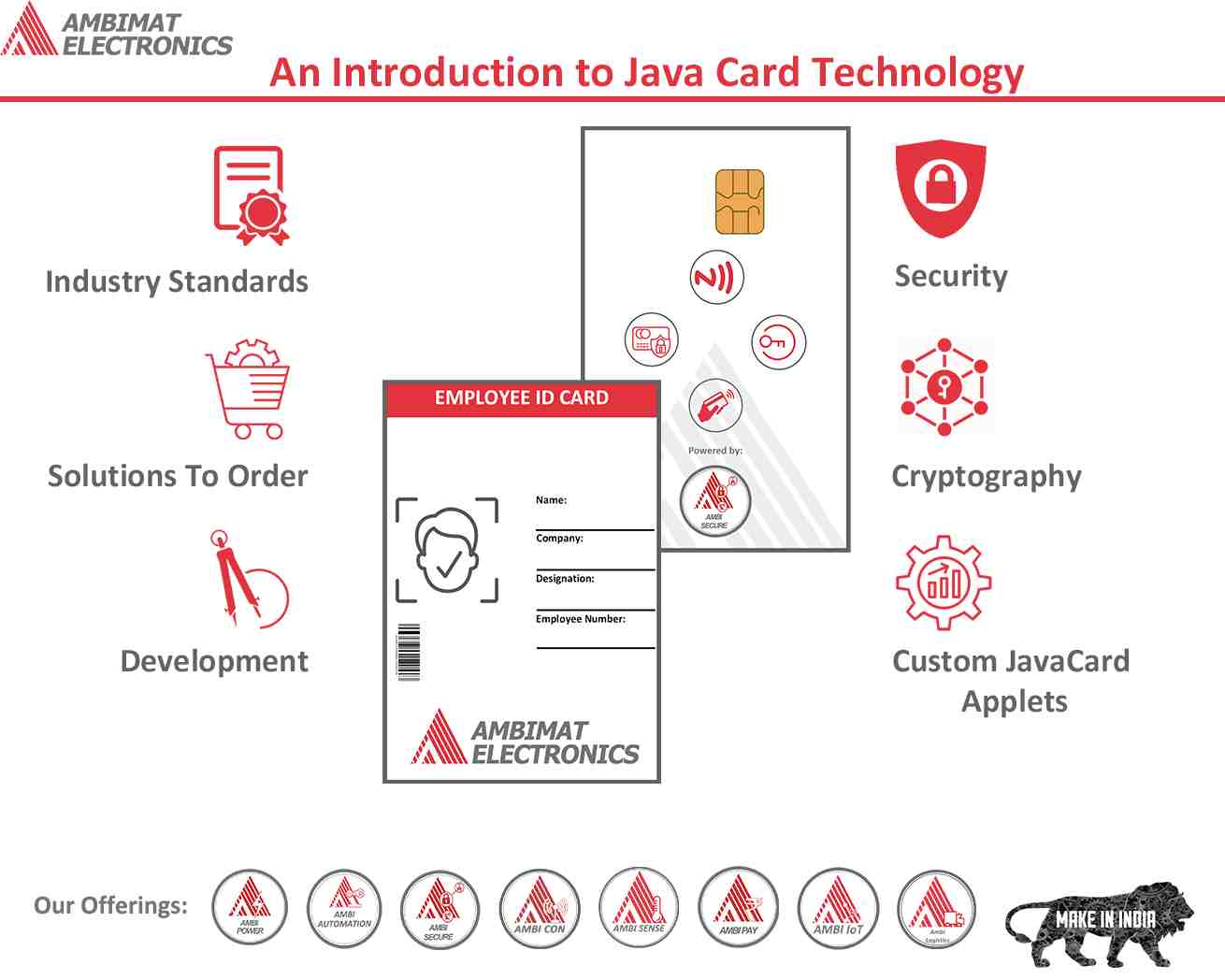
An Introduction to Java Card Technology
Published on December 15, 2020Dear Readers, This week’s blog is about Java Card, a technology that allows Java-based applications (applets) to be run securely
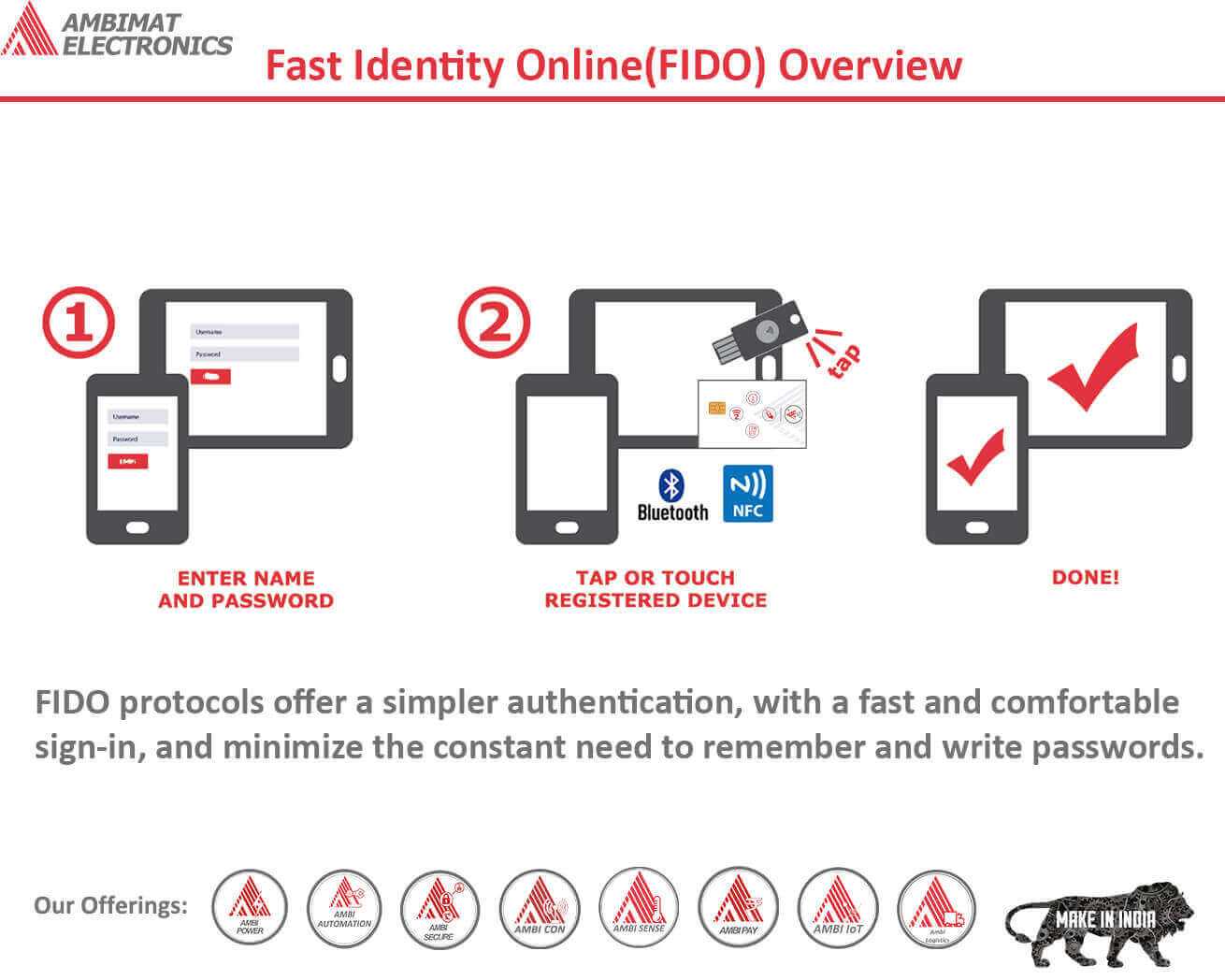
Fast Identity Online (FIDO)
Published on December 15, 2020Dear Readers, The blog of this week is about Fast Identity Online (FIDO) Universal Second Factor (U2F). Through this blog,
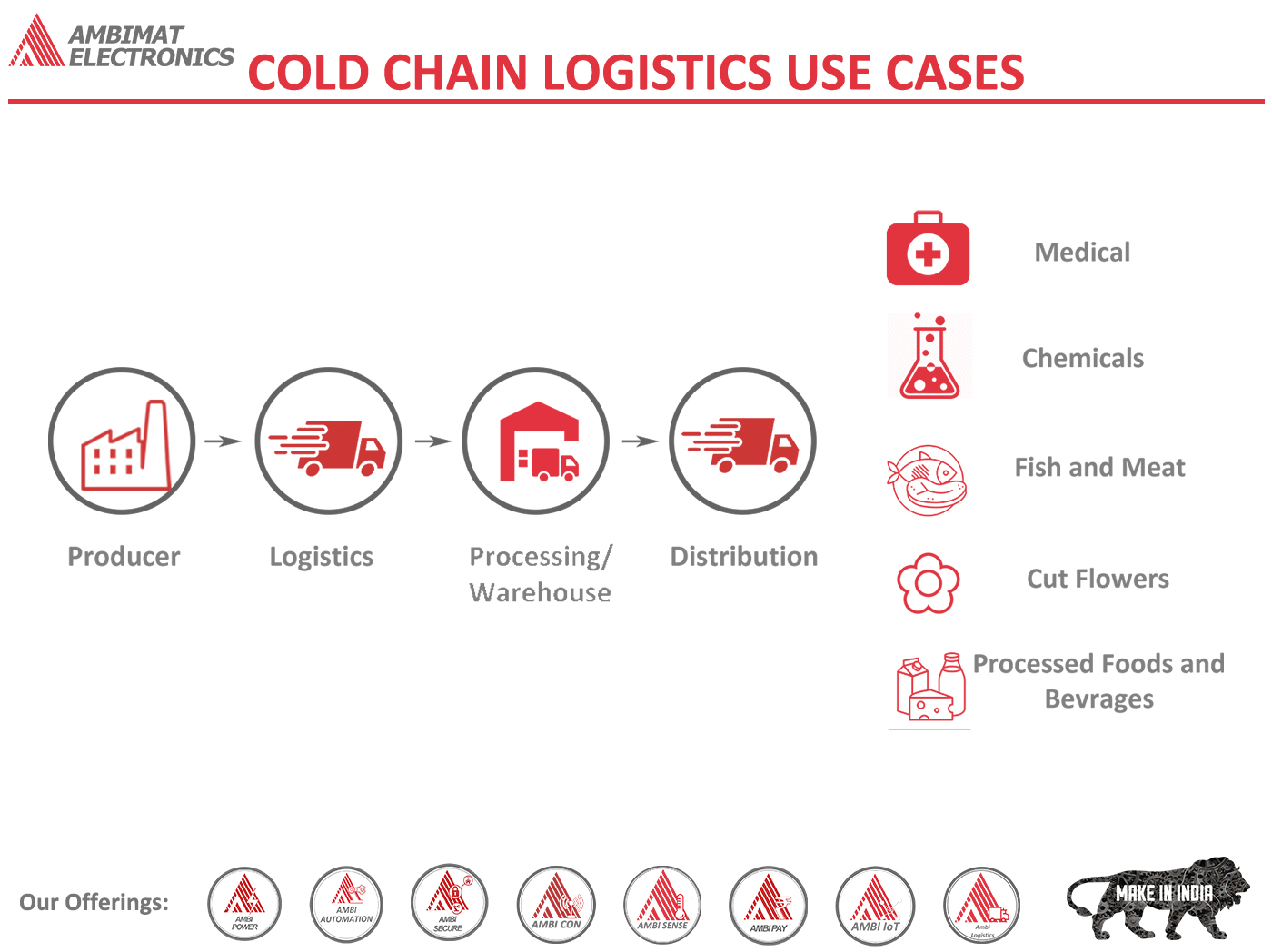
Cold Chain Logistics
Published on November 13, 2020Dear Readers, This week’s blog is about how Cold Chain Logistics becoming an essential part of the modern supply chain