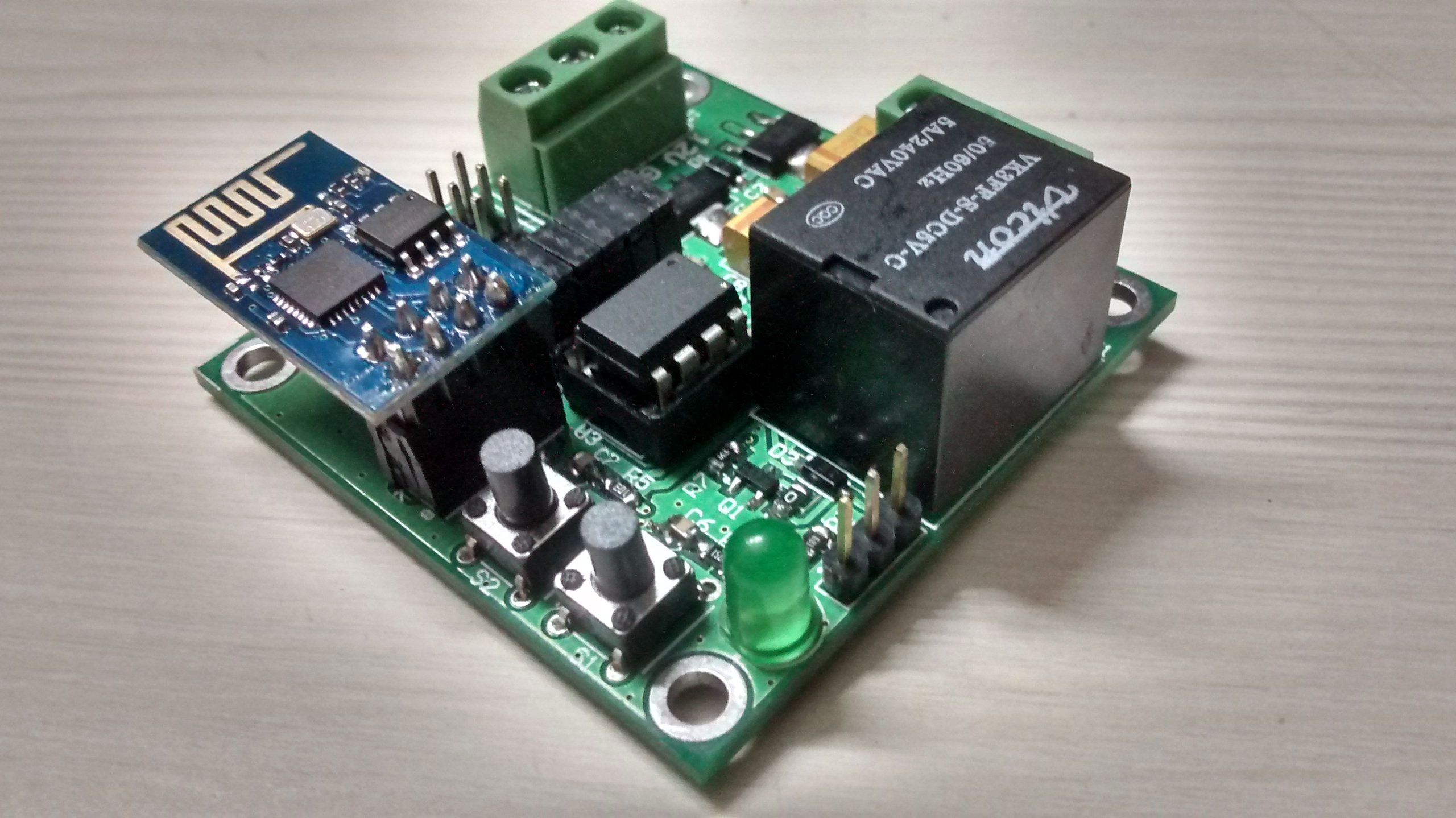

Ambimat organises capabilities by technology so engineering and product teams can quickly find the building blocks they need—wireless links, secure identity, sensing, power, and system integration. This page is a map of those technology lanes and how they combine in real products.
Connectivity options include Wi‑Fi for local high‑throughput links, low-power 2.4 GHz wireless for proximity and accessories, LPWAN such as LoRa‑class radios for long‑range low power, and cellular IoT where nationwide coverage is required. Positioning and timing needs may involve GNSS or NavIC‑oriented designs for Indian deployments.
Identity and trust technologies cover smart cards, NFC/RFID, secure elements, and related payment or access workflows. Sensing spans environmental, industrial, and wearable‑class inputs that must be conditioned, calibrated, and reported securely. Power and packaging choices determine whether a design is wall‑powered, battery‑optimised, or hybrid.
Ambimat’s design services help you select and prove a technology stack: reference architectures, module evaluation, RF and antenna guidance, firmware patterns, and production test strategy. Manufacturing support then keeps the chosen technologies repeatable across pilots and volume builds.
Browse technology categories such as Wi‑Fi, LoRa/Sigfox‑class LPWAN, NFC/UHF RFID, and related Ambimat product families. If your roadmap spans multiple radios or a secure element plus a host MCU, early co‑design avoids late interface and certification conflicts.
Use this technology view together with industry pages and case studies to see how Ambimat has delivered combined stacks for PSU and private customers—always with an eye on compliance, supply, and long‑term maintainability.
Technology selection workshops with Ambimat often compare BOM cost, certification burden, and field‑update strategy side by side. Documenting those decisions early keeps multi‑radio products coherent when marketing requirements evolve mid‑programme.
When a stack includes secure elements plus wireless, Ambimat coordinates interface timing, power domains, and certification sequencing so identity features and radios do not fight each other in the lab or in production test.